Tired of Waking Up at Night? How UroLift Can Treat Your Enlarged Prostate
Nov 03, 2026
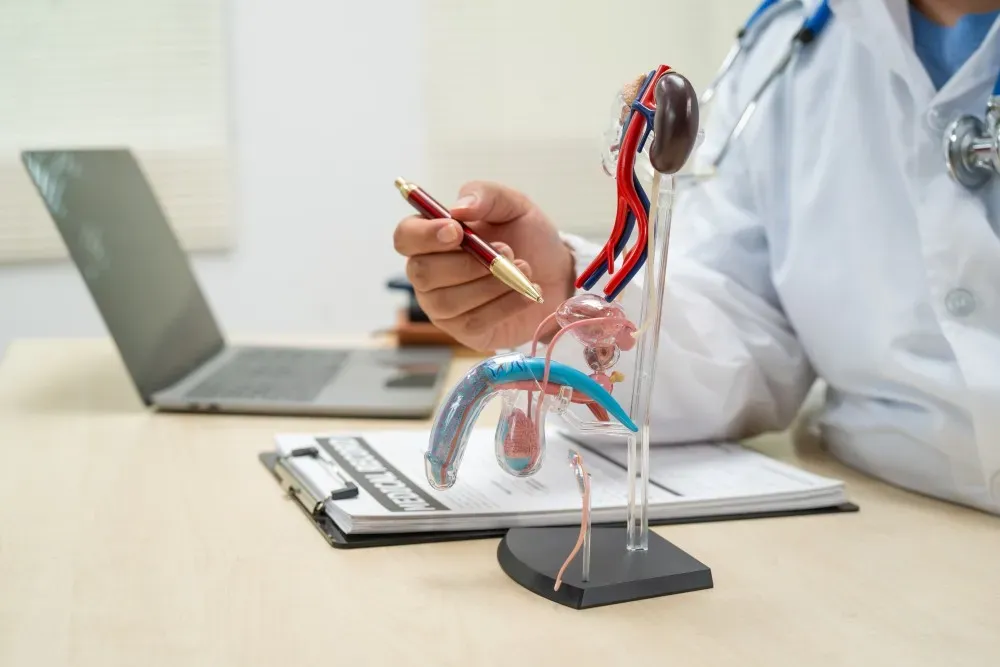
Do you wake up for multiple bathroom trips every night? Your prostate could be to blame. Benign prostatic hyperplasia (BPH) isn’t cancerous or life-threatening, but it can cause bothersome urinary issues.
Our team at Pasadena Urological Medical Group in Pasadena, California, offers a range of solutions to help people with BPH find relief from symptoms and get a better night’s sleep. One option is UroLift®, a minimally invasive procedure that improves urinary function.
BPH is an abnormal enlargement of the prostate gland — a small organ that plays a role in semen production. It’s located just below the bladder and encircles the urethra — the tube that urine travels through as it leaves your body.
As the prostate grows, it can put pressure on the urethra and interfere with normal urine flow. You may notice symptoms such as:
Incomplete bladder emptying due to prostate issues elevates your risk of developing urinary tract infections (UTIs) and bladder stones.
BPH becomes increasingly common with age, affecting roughly half of men in their 50s and 70% of men in their 60s.
Also known as a prostatic urethral lift (PUL), UroLift is a minimally invasive, in-office procedure that uses surgical implants to lift and hold enlarged prostate tissue away from the urethra. This relieves pressure and creates more space for urine to flow.
Unlike traditional prostate surgery and many other BPH treatments, Urolift does not remove or destroy any prostate tissue. It doesn’t cause any permanent sexual side effects, either.
We perform Urolift using a small device inserted through the urethra, with no external incisions. Local anesthetic keeps you comfortable, and we also offer Pro-Nox™ nitrous oxide sedation to help you fully relax.
In most cases, you can head home right after your procedure and return to normal daily activities within a few days. However, you should avoid heavy lifting, strenuous exercise, and sexual activity for the first week or two while the area heals.
Relief from BPH symptoms typically begins several days after treatment and continues as you recover.
BPH doesn’t always cause noticeable symptoms, and some cases may not require immediate treatment. But persistent urinary problems always deserve attention — especially if they’re disrupting your sleep or interfering with your daily activities.
To evaluate your prostate health and determine the source of your symptoms, our team may perform a physical exam and other testing, such as a prostate-specific antigen (PSA) blood test, urinalysis, or cystoscopy.
From there, we can recommend the most suitable treatment for your needs.
Seek immediate medical care if you are completely unable to urinate, notice blood in your urine, or experience painful or frequent urination alongside abdominal pain, fever, or chills.
If you’re tired of waking up at night to use the bathroom, our expert urologists are here to help you find a solution. Reach out and schedule an appointment at Pasadena Urological Medical Group today.